
Deck Restoration in Longmont Right After Snowmelt Season
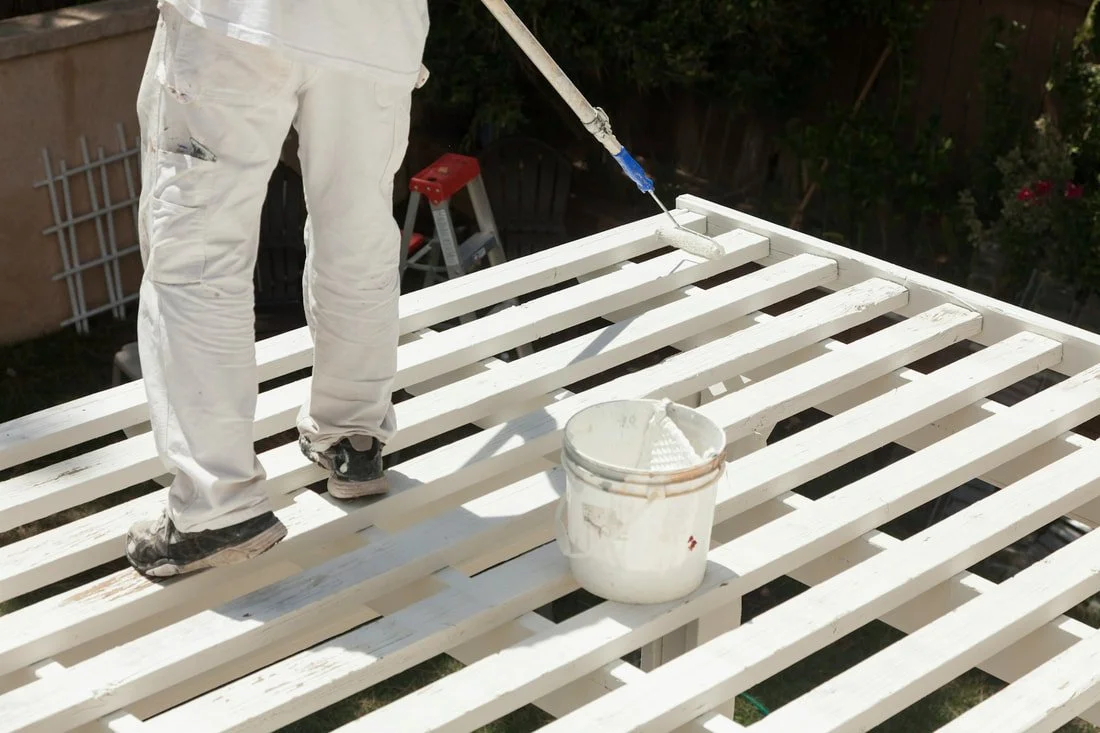
Winter in Longmont can be tough on outdoor spaces. Decks especially take a beating from snow, freezing temperatures, and the freeze-thaw cycles that stretch on for months. Once the snow starts melting, signs of winter wear usually show up fast. Boards shift, hardware loosens, and stains from salt or moisture become more visible with every sunny day.
After months of cold weather, deck restoration in Longmont is easier and more effective right after snowmelt season. That early spring window is a smart time to tackle damage before it spreads and to get work done before schedules fill up. Once the ground starts to dry and winter gear goes into storage, it's time to take a look and see what your deck needs.
Why Snow and Ice Are Tough on Decks
Cold weather is hard on wood and other outdoor materials, but Longmont winters often bring more than just freezing temps. Layers of snow and ice create added pressure that breaks down decks over time.
Freeze-thaw cycles cause repeated expansion and contraction in the materials, which can lead to cracking or warping.
Water from snow or ice that lingers on deck surfaces can seep into small spaces and weaken boards, especially if they weren’t fully sealed.
Hardware like screws and brackets can rust if moisture sinks in and gets trapped beneath the surface.
Salt or sand spread to help with ice can stain decking surfaces or eat away at finishes.
By the time spring arrives, all of that shows up in ways that need attention. Left untreated, the damage tends to grow once warmer weather brings more foot traffic and sun exposure.
How to Spot Winter Damage Early
Once the snow melts, it’s smart to give your deck a walk-through before summer weather kicks in. There are a few common signs that spring might be the best chance to fix things before they get worse.
Split or warped boards are a clear sign the deck's surface went through a rough winter. Cracks or sticking boards often come from water finding its way in and freezing.
Metal fasteners, brackets, or rails may show rust or movement, which usually means water made contact for longer than it should have.
Railing or stair sections might feel loose from repeated swelling and shrinking through the cold months.
Pooling water or soft spots near the posts can point to drainage problems or damage beneath the surface.
Discoloration or patches of mildew may appear around shaded areas, especially near areas where snow was pushed or piled up.
We always look for these kinds of signals in early spring. They tend to be easier to fix when caught right after winter.
Why Spring Conditions Are Best for Restoration
The weeks right after snowmelt provide one of the better windows of the year for this kind of work. Things start to warm up, but the scorching heat of summer hasn’t taken hold yet. That means the deck and the worksite are in better shape for repairs.
The ground is usually dry enough for safe access without turning everything muddy. That makes hauling materials in and out less messy and more stable.
Cooler spring temperatures help certain materials settle and cure better, especially if wood stains or protective finishes are part of the project.
With more daylight than in winter, crews can stay on pace and finish jobs without juggling short workdays or surprise snow events.
Once we know the winter weather has passed for good, we can move steadily through repair work. Spring doesn't just give us better weather, it gives us better timing.
What Makes Early Spring a Smart Time to Start
Planning repair work in the weeks after snowmelt works for more than just schedule reasons. That early jump helps make sure you're not stuck waiting when summer arrives and it’s time to enjoy the outdoors.
Restoring a deck early means it’s ready to use by the time warmer afternoons and family gatherings start filling the calendar.
Scheduling earlier often comes with fewer delays, since late spring and summer are some of the busiest times on most project calendars.
Any small issue, like loose rails or thin cracks, can grow once heat, storms, or extra foot traffic start putting pressure on them again.
Fixing surface damage in spring helps prevent deeper repairs down the line, especially on older decks that need regular upkeep.
We’ve seen how quickly small spring repairs can turn into unexpected summer overhauls when they don’t get addressed soon enough.
Finish Strong Before Summer Starts
By getting a jump on repairs right after snowmelt, you make space for the season ahead. It only takes a few days of sun to show where winter was hardest on the deck. Addressing those areas early can bring the structure back up to full strength before it gets used again.
Spring work gives your deck a fresh start and prevents damage from turning into bigger problems. The extra time before the summer rush means projects don’t get rushed or delayed. Deck restoration in Longmont works best when it's done right after the cold season ends, when the signs are still fresh and the deck hasn’t been pushed into full-time use again. This timing can make a real difference in how long your deck holds up and how ready it feels when patio season begins.
Schwabees Landscaping and Construction specializes in seasonal deck restoration, repairs, and upgrades throughout Longmont and the surrounding area. We handle everything from replacing damaged boards to resealing surfaces for maximum durability before summer.
Spring is the perfect time to address small deck issues before they turn into bigger problems and interfere with your summer plans. A little early attention can make a big difference, especially when it comes to handling the effects of snow and moisture. If you notice worn boards, loose railings, or unusual spots on your deck, it may be time for a professional inspection. We offer all types of deck restoration in Longmont to help get your outdoor space back in shape while the weather is on your side. Contact Schwabees Landscaping and Construction to schedule your spring checkup and ensure your deck is ready for the season ahead.