
Wood Deck Installation in Longmont That Works for Cold Months
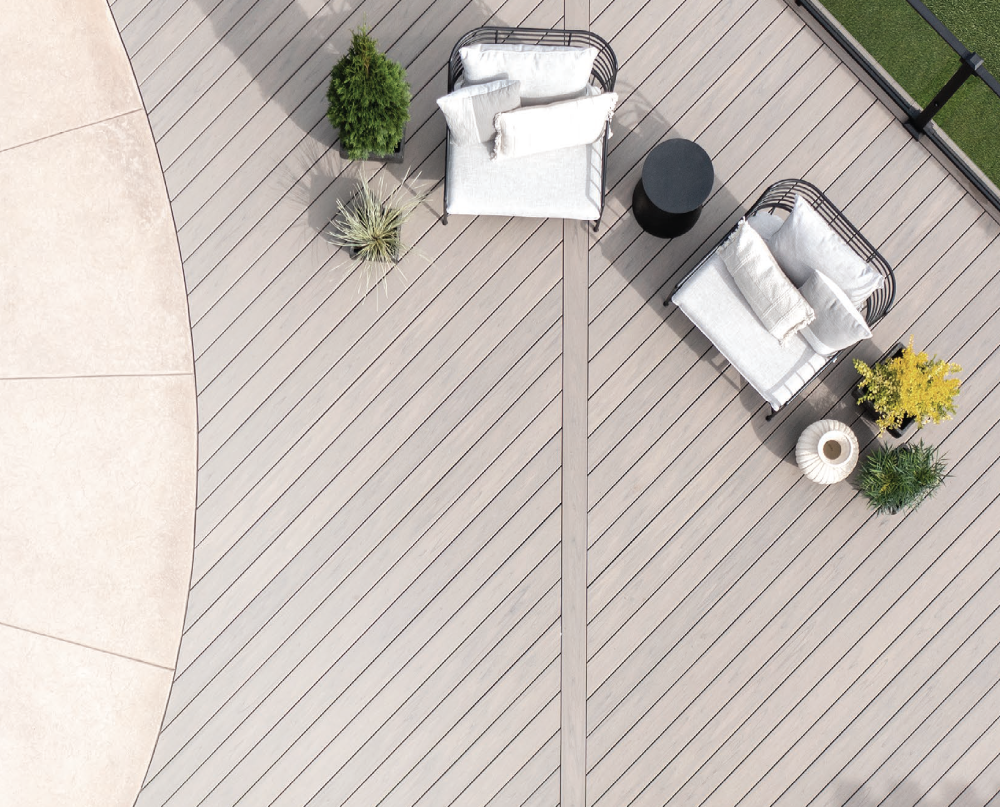
Winter hits Longmont with snow, wind, and quick weather changes, but that doesn’t mean outdoor work has to stop. Wood deck installation in Longmont is still possible this time of year when it’s done with care and good planning. Cold weather adds a few extra steps, but with the right approach, work can still move forward.
Instead of waiting until spring, a winter build lets you get ahead of the crowd. By the time warm weather rolls back in, you're ready to enjoy a finished deck instead of just getting started. There are limits, of course, but a smart schedule and cold-weather know-how can go a long way.
How Cold Temperatures Affect Wood and Tools
Winter air can be rough on materials. Wood naturally reacts to temperature shifts, especially if it holds moisture. When the air gets dry and cold, some boards might shrink faster or even crack if they weren’t stored or handled right.
• Cold temperatures can slow down power tools, batteries, and adhesives. Everything takes longer to warm up or set.
• Screws and fasteners can lose grip if they're used too quickly, especially if the wood is too hard or brittle from the cold.
• Crews often need to give materials more time to adjust before making final cuts or finishing steps.
Working in cold weather doesn’t mean rushing. It just takes a bit more patience and preparation to protect the wood and get smooth results that will hold up over time.
Preparing the Site for Winter Work
Job sites in January don't always start clean. Before any real work begins, the area has to be made safe and ready. Snow, ice, and frozen ground are common problems that can slow things down fast.
• The ground might be frozen in the morning and muddy by the afternoon, so timing matters a lot.
• Clearing snow and applying salt or grit helps prevent slips and delays while moving materials.
• Wind protection or temporary walls go a long way in keeping cold air off certain areas so things can dry or settle better.
Even a basic winter deck job needs more prep time. But staying on top of it keeps things moving forward without running into weather-related hang-ups.
Choosing Materials That Work with Winter Conditions
Not every piece of lumber is ready for cold-weather installation. When we prep for a winter deck job, we take a close look at the wood itself and how it’s been stored.
• Some wood types hold in more moisture than others, which can lead to swelling or shrinking once installed.
• Pressure-treated boards should be kept dry and off the ground to stay straight and ready for use.
• Fasteners and support pieces need to stand up to freezing and thawing. If they don’t, they could loosen up by the time spring rolls around.
We offer wood deck installation in Longmont using pressure-treated wood, composite options, and site-specific materials for weather resistance and durability. Our installation process follows local codes and best practices for year-round performance.
We take these steps early before a single board is installed. That way, the deck ends up strong and steady no matter how cold it is outside during the build.
Timing and Flexibility Make a Difference
One thing that doesn’t change in winter is the need for flexibility. Weather has a habit of changing quickly in Longmont this time of year, which means no two weeks are ever the same.
• A warm mid-week spell could be enough to get support posts installed or decking laid down.
• Shorter days mean a smaller work window, so careful scheduling becomes even more important.
• Small decks or single-level platforms are easier to complete in chunks, especially when cold snaps roll through.
Winter projects take more coordination. We often space things out to allow extra time for deliveries, drying, or machine warm-ups. That slower rhythm, while frustrating at times, helps the work turn out clean and correct.
Why Starting in Winter Still Makes Sense
It might seem odd to think about outdoor projects with snow still on the ground, but starting a winter deck has some real advantages.
• Getting started in January means the deck is ready to go by early spring, when most people are just booking work.
• Smaller crews and slower scheduling often allow for more thought-out builds with fewer quick fixes.
• Wood deck installation in Longmont during winter gets a head start by using the quiet season effectively.
Our experienced team at Schwabees Landscaping and Construction provides custom design, site prep, and year-round service for residential decks in Northern Colorado.
When crews don’t have to rush, they focus more on the small details that help decks last longer. And clients don’t have to wait in long spring lines when the temperature hits 60.
A Head Start on Spring Starts Now
Winter might bring slowdowns, but it doesn't have to bring stop signs. With the proper prep and a little patience, a cold-weather deck install can go just fine. It’s about working smarter, not just faster.
When we take time in the winter to prep, build, and adjust as the weather changes, the result is a deck that’s finished before most others even begin. And when warmer days return to Longmont, it’s already ready for use, no mud, no waiting, no stress.
Taking advantage of winter doesn't just fill time. It helps set up a stronger start for the seasons ahead.
Ready to get a head start on spring? We take extra care to plan, prep, and build in a way that works with winter, not against it. With the right approach, wood deck installation in Longmont can move forward smoothly, even when there's frost on the ground. At Schwabees Landscaping and Construction, we know how to keep your project on track throughout every season. Contact us today to reserve your spot on our schedule.